Speaker Line up for September 4, 6 pm
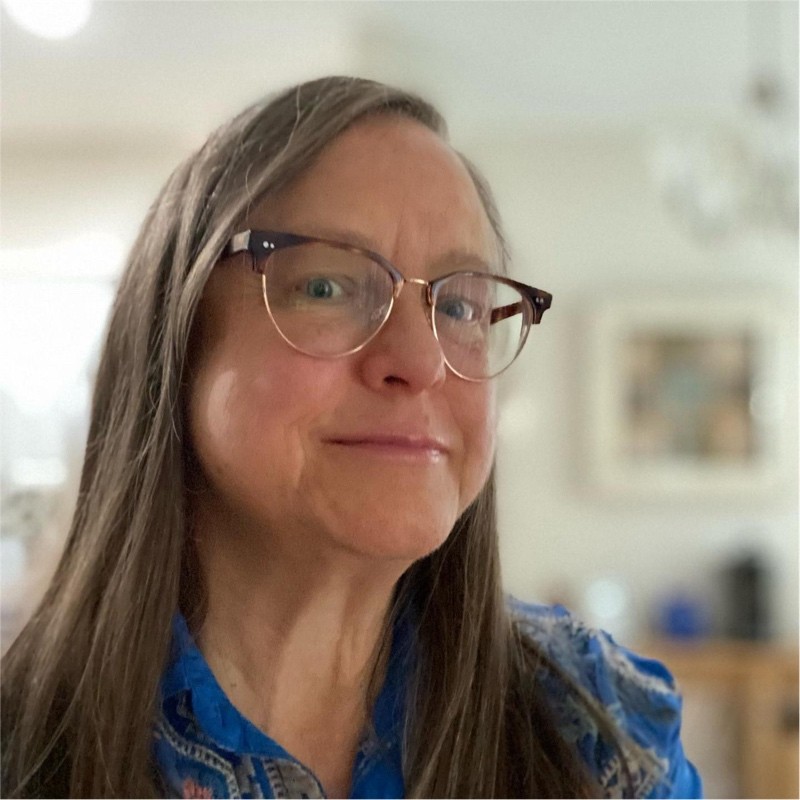
Clare Dygert – AI Learning Systems Architect and fractional Chief Learning Strategist who has been in the workforce since 1978 — same year as the first test-tube baby, Space Invaders, and Grease. She has spent most of the intervening decades designing how people learn at work, from Fortune 500s to municipal government, and now thinks a lot about how humans and machines think together — which is either the most interesting question of our era or a very elaborate excuse to talk to her computer while walking in circles around her house. (She walks 5–10 miles a day, indoors, dictating. The floor has opinions.) She’s the author of the white papers The Space Between and Flow Like the River, and lives in Winston-Salem.
Team Cognition, or: How to Have a Team That Doesn’t Suck:
You’ve been on the good ones. You’ve been on the bad ones. Odds are you blamed the bad ones on the people. But usually the people aren’t the problem — the architecture is. Teams that work share mental models, distribute memory across each other, and build small rituals that let a group actually think together. Teams that don’t, don’t. Clare will show you what cognitive scientists have figured out about how this works, why bad teams fail in predictable ways, and what to do about it before Monday. Plus: what happens when the teammate you’re thinking with isn’t human.
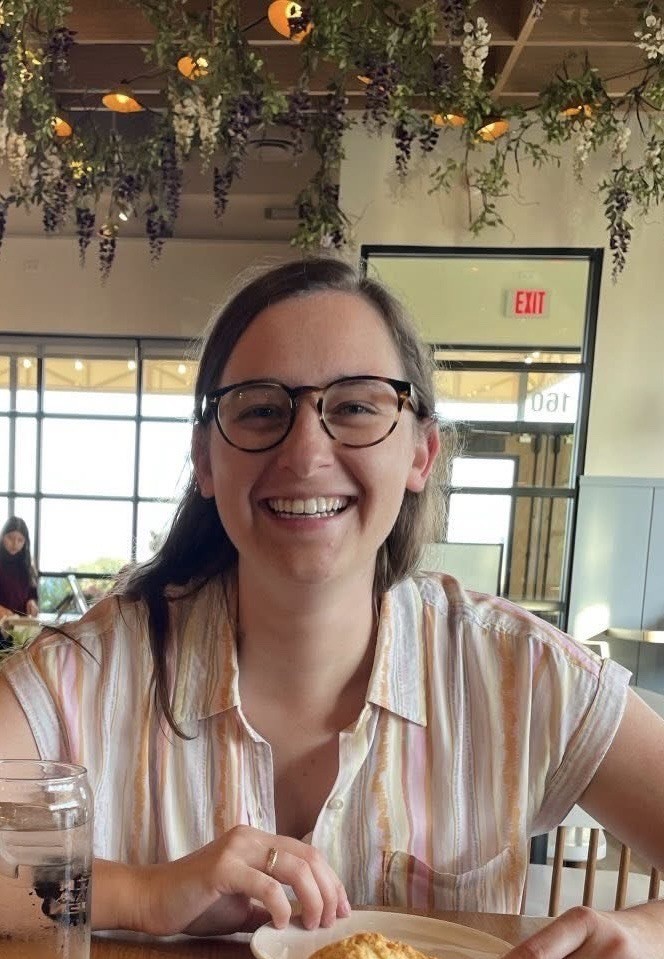
Kaitlin Sands, Ph.D – Psychology researcher and science educator whose work explores how children learn, think, and engage with the world around them. She earned her Ph.D. in Developmental Psychology from the University of Texas at Dallas, where she conducted research on child development, science learning, problem-solving, and early STEM education. Kaitlin has worked in educational program evaluation, research, and informal science education. Currently, Kaitlin develops and facilitates hands-on learning experiences for children at Kaleideum.
Can You Smell the Bullshit?:
An entertaining tour of the science behind bullshit detection, critical thinking, and our lifelong struggle to tell sense from nonsense. This talk will explore what makes nonsense claims sound meaningful, why some people are more susceptible to believing bullshit than others, and give you an opportunity to test your own bullshit-calling skills.
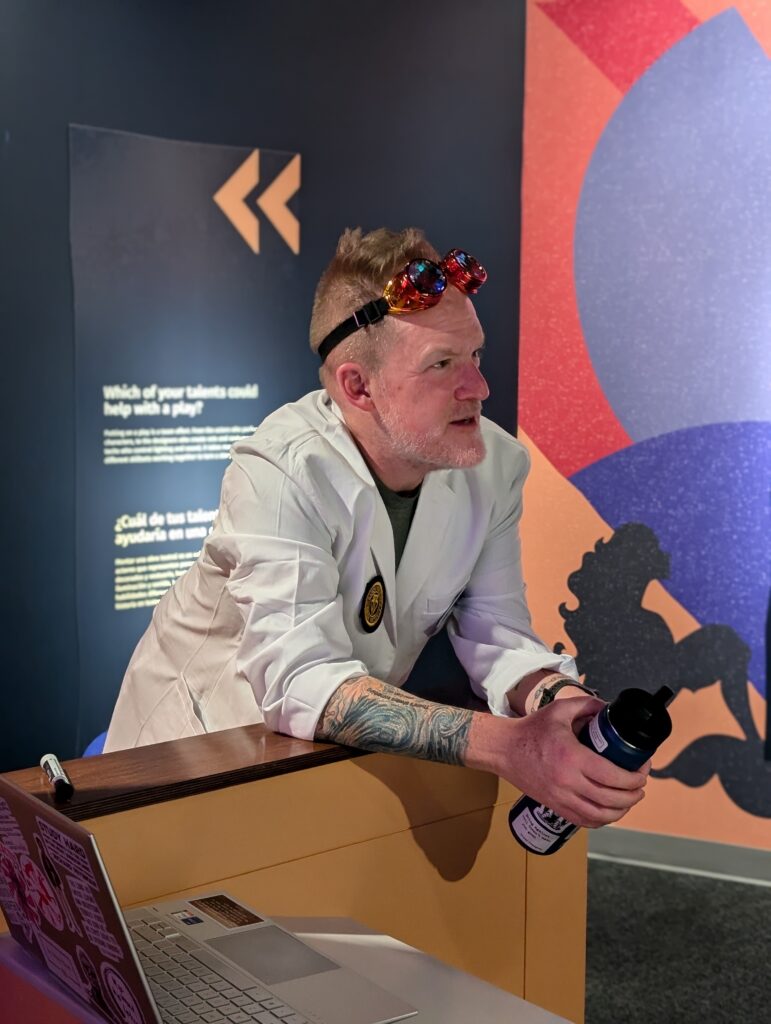
Matt Brady – Your Nerd Nite Co-Boss is here to make science feel a little smarter, a little weirder, and a lot more fun. He has spent nearly three decades blending science, storytelling, and pop culture—basically proving that learning sticks better when it involves superheroes, sci-fi, or the occasional existential cartoon.
The Storyteller’s Superpower
Discover why stories are the oldest technology we have—and still the most powerful tool in our human toolkit. In this talk, we’ll dive into the neuroscience of narrative, the role stories played in shaping our species, and why they remain our superpower in an AI‑driven world that’s trying very hard to out‑story us.